As Muslims in Singapore, we are constantly exposed to information and knowledge through schools, workplaces, online platforms, and everyday conversations. What is increasingly noticeable, however, is how many of us are now choosing to go beyond access and seek learning that deepens understanding, strengthens faith, and brings clarity to daily life.
This shift can be seen in practical ways. Families are exploring Islamic early childhood programmes with greater intention. Youths are asking questions that move beyond basic instruction. Adults are returning to Islamic studies with a desire for learning that feels grounded and relevant. In this guide, we aim to bring together the full range of Islamic education pathways available in Singapore, from early years to advanced study, to help learners navigate these options with clarity.
What Islamic Education Focuses on Today
Beyond memorisation, Islamic education today focuses on understanding and application. . Its purpose is to help Muslims practise their faith with confidence and apply Islamic principles responsibly in everyday life.
In Singapore, Islamic education operates within a structured religious framework guided by Majlis Ugama Islam Singapura (MUIS). Across institutions and programmes, learning commonly covers aqidah (belief), fiqh (practice), akhlaq (character), Qur’anic studies, and sirah (Prophetic history). Increasingly, it also addresses practical concerns such as family life, workplace ethics, mental wellbeing, youth identity, and civic responsibility.
This reflects a shared understanding that Islamic education must remain relevant to how Muslims live today.
Islamic Education Pathways in Singapore (By Life Stage)
| Life Stage | Common Pathways | Main Focus |
| Early Childhood (Preschool years) | Islamic early childhood centres, Islamic kindergartens | Faith, good manners, introduction to worship, learning through play and routines |
| Primary School Age | Full-time madrasahs, weekend Islamic schools, mosque classes, Islamic after-school care | Qur’an reading, basic fiqh, daily religious practice, character development |
| Secondary & Youth | Youth classes, enrichment programmes, leadership initiatives | Identity, values, responsibility, applying faith in school and social life |
| Adults & Parents | Mosque lectures and courses, structured certificate programmes, diploma programmes | Deeper understanding, clarity, parenting, leadership, daily decision-making, lifelong learning |
| Advanced Study | Diplomas, degrees, postgraduate Islamic studies (local or recognised overseas) | Academic depth, scholarship, teaching |
Islamic Education in Early Childhood
Islamic education often begins in the early years. In this regard, parents can choose to send their children as early as three years old to Islamic early childhood centres and kindergartens to introduce them to basic beliefs, values, and practices in age-appropriate ways.
At this stage, learning is gentle and integrated into daily routines. Children are introduced to good manners, simple acts of worship, stories of the Prophets, and positive values through play, songs, and interaction. The goal is not academic depth, but to nurture a healthy relationship with faith and learning.
For many families, these programmes complement national preschool education by providing a strong moral and spiritual foundation. These classes are either available in full-day faith-based early education centres or kindergartens in mosques and islamic institutions.

Islamic Education for Primary and Secondary School Children
As children grow, families choose different pathways depending on their needs, schedules, and priorities.
Some opt for full-time madrasahs, where Islamic studies are integrated with national academic requirements in a regulated environment. Others enrol their children in national schools and supplement learning through weekend Islamic schools, mosque-based classes, or Islamic after-school care programmes.These pathways help children continue learning about the Qur’an, religious practices, and values while balancing mainstream education and co-curricular activities.
Youth and Teenage Learning Pathways
During the teenage years, Islamic education often takes on a different role. Beyond basic knowledge, youths begin to question identity, purpose, and values.
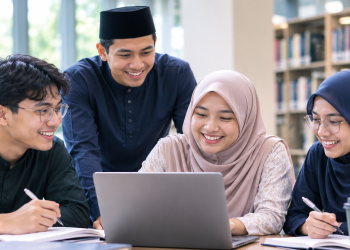
Youth-focused programmes, discussion-based classes, and leadership initiatives provide space for guided reflection and conversation. At this stage, Islamic education helps young people connect faith with real-life experiences, friendships, studies, social media, and future aspirations.
Strong engagement during these years can shape confidence, resilience, and a sense of responsibility as youths move into adulthood.
Adult Islamic Education and Continuous Learning
Many adults return to Islamic education later in life. Some want to strengthen their foundations while others seek deeper understanding in areas like parenting, leadership, and personal growth.
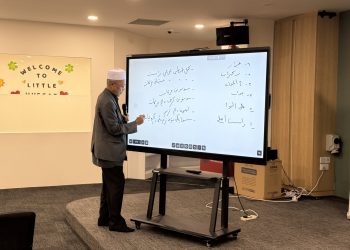
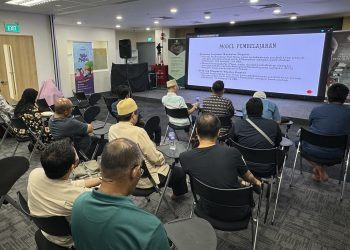
Singapore offers a wide range of adult Islamic education options, from informal study circles and short courses to structured certificate and diploma programmes. These are designed to fit around work and family commitments, allowing adults to learn at a sustainable pace.
For many adult learners, Islamic education provides clarity, helping them make thoughtful decisions and navigate responsibilities with confidence.
Formal and Informal Learning Options
Islamic learning in Singapore takes place through both informal and formal settings.
Informal learning includes mosque lectures, short courses, and halaqah sessions. These offer flexibility and accessibility, making them suitable entry points for many learners.
Formal Islamic education follows structured curricula, is led by trained educators, and includes clear learning outcomes. This approach supports learners who want depth, progression, and recognised qualifications. Both forms play an important role and often complement each other.
Diplomas, Degrees, and Advanced Study
For learners seeking deeper academic engagement, Islamic education in Singapore includes diploma and degree-level pathways. These programmes allow learners to study Islamic sciences, education, leadership, or related disciplines in a structured and recognised manner.
Many are offered in part-time or modular formats, making them accessible to working adults. These pathways reflect the growing maturity of Islamic education in Singapore, where depth and accessibility are increasingly balanced.
Choosing the Right Pathway
The right Islamic education pathway depends on individual goals, time commitments, and learning needs. Parents may prioritise strong foundations and character development for their children, while adults often seek structured learning that offers clarity, depth, and steady progression.
Understanding how programmes are structured, how learning is guided, and how knowledge connects to daily life helps learners make informed choices.
Today, learning is no longer seen as a singular task to complete, but rather a continuous journey that never stops. When families and individuals choose their pathways thoughtfully, Islamic education becomes a steady reference point, helping them navigate change, responsibility, and growth while remaining anchored in faith.