Adult Muslims in Singapore who are considering pursuing Islamic studies may come to a point where they ask, “How do I continue my passion in acquiring knowledge about Islam without stepping away from work, family, or daily responsibilities? What are my options?”
If this is a question you have been asking too, this article aims to give you some light on the best choices to meet your needs. As we are aware, Islamic studies today is no longer limited to a single path or life stage. In Singapore, learners can now choose from a range of structured options from basic certificates to diplomas and degrees designed to fit different goals, schedules, and levels of commitment. Understanding these pathways helps learners make informed choices that support both faith and everyday life.
What Are Islamic Studies?
Islamic studies is the structured study of Islamic knowledge, encompassing theology (aqidah), jurisprudence (fiqh), Qur’anic sciences, prophetic traditions, ethics, and the application of Islamic principles in contemporary life.
In Singapore, Islamic education is offered through both traditional religious classes and formal academic programmes. While informal classes support religious literacy and personal enrichment, usually in mosques or Islamic institution settings, formal programmes offer structured curricula, assessing learners on their understanding and providing academic progression routes that enable them to achieve recognised qualifications over time.
Who Should Consider Formal Islamic Studies?
Formal Islamic studies may be suitable for a wide range of learners, including adults returning to religious education after years of informal learning, working professionals seeking ethical grounding, educators, counsellors, community leaders, and individuals who want structured progression beyond short courses.
Rather than being limited to a specific age or background, Islamic studies in Singapore increasingly supports learners at different life stages, offering flexibility alongside academic rigour.
Certificates, Diplomas and Degrees Explained
Over the past two to three decades, Islamic education in Singapore has expanded beyond informal learning into structured academic programmes. This shift reflects several realities. There is a growing number of adults seeking deeper religious understanding later in life, professionals seeking to integrate Islamic ethics into leadership and service, and students seeking recognised qualifications.
In Singapore, Islamic studies typically progresses through three formal stages: foundational certification, diploma-level study, and degree-level specialisation.
Foundational Certification: Building the Academic Base
For many learners, especially adults without formal Islamic schooling, the first step is a foundational certificate.
Programmes such as Sijil Pengajian Islam are designed to establish core competencies in aqidah, fiqh, Qur’anic studies, and Islamic ethics. This form of foundational Islamic certification plays a critical role in preparing learners for more advanced academic study.
For many, it serves as a practical entry point into formal Islamic studies, ensuring that students are academically and intellectually ready before progressing to diploma-level programmes.
Diplomas in Islamic Studies: Formalising Knowledge
Diploma programmes typically cover Islamic jurisprudence, theology, prophetic history, Islamic finance, and contemporary applications of Islamic principles, among others. What distinguishes diploma-level Islamic studies from informal learning is academic structure with clear learning outcomes, assessments, and progression criteria.
Many providers offer these programmes in both full-time and part-time formats, making diploma-level Islamic studies suitable for working adults and caregivers seeking formal Islamic qualifications without disrupting existing responsibilities.
Degree Pathways: Advanced Scholarship Without Leaving Singapore
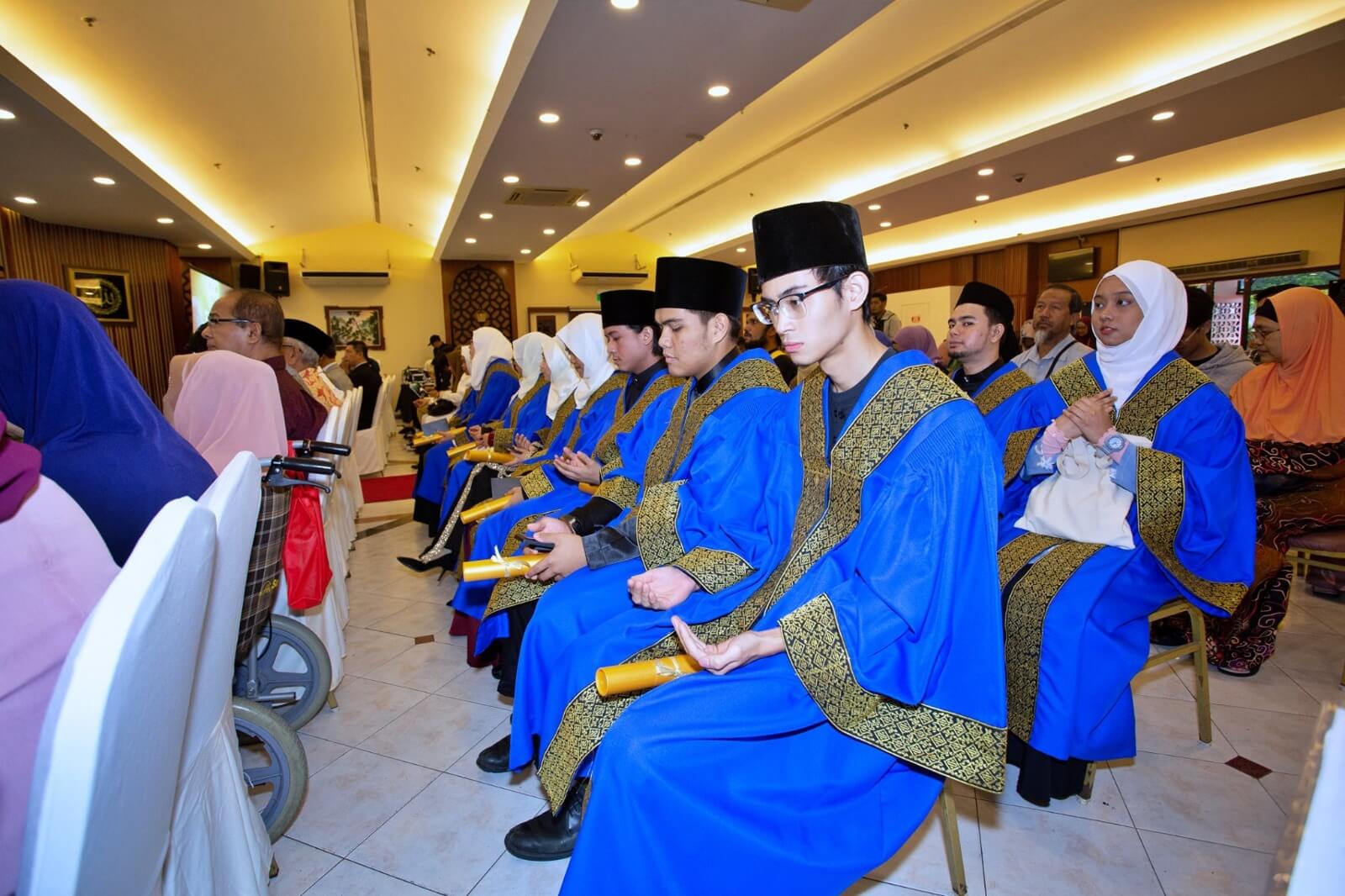
Degree-level Islamic studies are increasingly accessible in Singapore through collaborative academic models. Rather than operating as standalone universities, local institutions partner with established regional universities to deliver degree-level Islamic studies locally.
These programmes allow learners to pursue a degree in Islamic studies while remaining rooted in Singapore’s social and professional environment. Fields of study often include Syariah, Qur’an and Tafsir, Islamic development, and family law.
One example of such pathways can be found through institutions which offer Islamic studies degree options through regional academic partnerships with universities such as Universiti Islam Melaka, Malaysia’s International Islamic College, and Indonesia’s Universitas Islam Negeri Sumatera Utara Medan.
Islamic Education in Singapore: A Landscape of Pathways
Islamic education in Singapore is no longer defined by a single route or stage of life. It is a landscape of interconnected pathways that allow learners to begin where they are, whether at a foundational level or in advanced study, and progress with clarity and confidence.
For those seeking structured, locally accessible Islamic studies with clear academic progression, Singapore today offers credible options, rooted in tradition while responsive to contemporary realities.
If you are exploring your next step in Islamic learning, take time to understand the available pathways, entry points, and progression routes and choose one that aligns with your goals, commitments, and long-term aspirations.