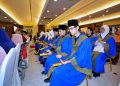
A Diploma in Islamic Studies is a formal qualification that provides structured learning in core Islamic disciplines such as Aqidah, Fiqh, Qur’anic studies, Sirah, and ethics. These diplomas are offered through recognised academic pathways and can be pursued either full-time or part-time, allowing students and working adults to balance academic rigour with real-life responsibilities.
For many learners, however, the decision to pursue Islamic studies does not begin with a comparison of programmes. It begins with a more personal reflection on responsibility and readiness. Some arrive at this point as students planning their academic future. Others come later, after years of work, parenting, or community service. What unites them is a shared intention: to learn properly, with structure and depth, without neglecting the commitments they already carry.
For decades, Islamic studies were commonly associated with a single model; full-time study, often overseas, and usually requiring a complete pause from professional or family life. While this pathway remains valuable and necessary for some, it is no longer the only credible way to pursue formal Islamic education. In Singapore today, learners increasingly have access to diploma pathways that recognise modern life realities while maintaining academic seriousness.
What a Diploma in Islamic Studies Represents Today
A Diploma in Islamic Studies represents a commitment to structured, assessed learning. Unlike informal classes, diploma programmes follow a formal curriculum, provide recognised certification, and offer progression routes into further academic study or applied roles. What has changed over time is not the substance of the knowledge, but the profile of the learners engaging with it.
Today’s learners include full-time students preparing for degree programmes, working professionals seeking religious grounding alongside their careers, parents returning to formal education later in life, and community leaders who want their responsibilities supported by sound knowledge. These learners share sincerity, but differ greatly in time, energy, and capacity. As a result, the key distinction between diploma pathways today lies less in academic level and more in how learning is structured and paced.
Full-Time and Part-Time Study: Understanding the Real Difference
One of the most persistent misconceptions about diploma studies is that part-time learning is less serious than full-time study. In reality, the difference lies not in academic standards, recognition, or assessment, but in pacing.
Full-time study generally suits learners who can dedicate most of their time to academic work. This often includes younger students or those preparing for further degrees who benefit from immersive learning environments and faster progression. Part-time study, by contrast, is designed for learners balancing work, family, or community responsibilities. It allows learning to take place steadily over a longer period, prioritising consistency over speed.
Importantly, when offered through recognised academic partnerships, both study modes lead to the same qualification. Choosing between full-time and part-time study is therefore not a question of prestige, but of sustainability. Learning that fits life is far more likely to endure.
Full-Time vs Part-Time Diploma Studies: A Practical Comparison
| Aspect | Full-Time Diploma Study | Part-Time Diploma Study |
|---|---|---|
| Profile of Learners | Students with few external commitments | Working adults, parents, caregivers |
| Weekly Time Commitment | Higher, more intensive | Lower, spread over time |
| Learning Pace | Faster progression | Slower, more flexible pacing |
| Academic Standards | Structured and assessed | Structured and assessed (same standard) |
| Qualification Awarded | Diploma | Diploma (same certification) |
| Best Suited For | Academic progression, immersive study | Long-term sustainability alongside life commitments |
Recognition, Access, and the Local Context
In Singapore, access to recognised Islamic diploma programmes has expanded through partnerships between local institutions and established academic bodies abroad. This has enabled learners to pursue structured Islamic education locally, without needing to relocate overseas unless they choose to do so.
One example is Jamiyah Academy, which works with accredited academic partners to make diploma pathways accessible in Singapore. While institutions differ in delivery models and focus areas, the broader development reflects a shared understanding: serious Islamic learning must be both academically rigorous and realistically accessible.
Taking a Long-Term View of Islamic Learning
For many learners, a diploma is not an endpoint but a beginning. Some continue into degree programmes, others move into teaching or leadership roles, and some simply deepen their understanding and confidence in applying Islamic knowledge to daily life. What matters most is not how quickly the qualification is completed, but whether the learning journey can be sustained with sincerity and consistency.

Considering Your Next Step
If you are considering a Diploma in Islamic Studies in Singapore, begin by reflecting on your current life stage rather than searching for the most impressive option on paper. Consider how much time you can realistically commit, what kind of learning you are seeking, and whether full-time or part-time study will allow you to honour the knowledge over the long term.
For those exploring recognised diploma pathways available locally, institutions such as Jamiyah Academy provide detailed information on study modes, progression routes, and academic partnerships. The right choice is not always the fastest or most demanding one – it is the one you are most ready to commit to.