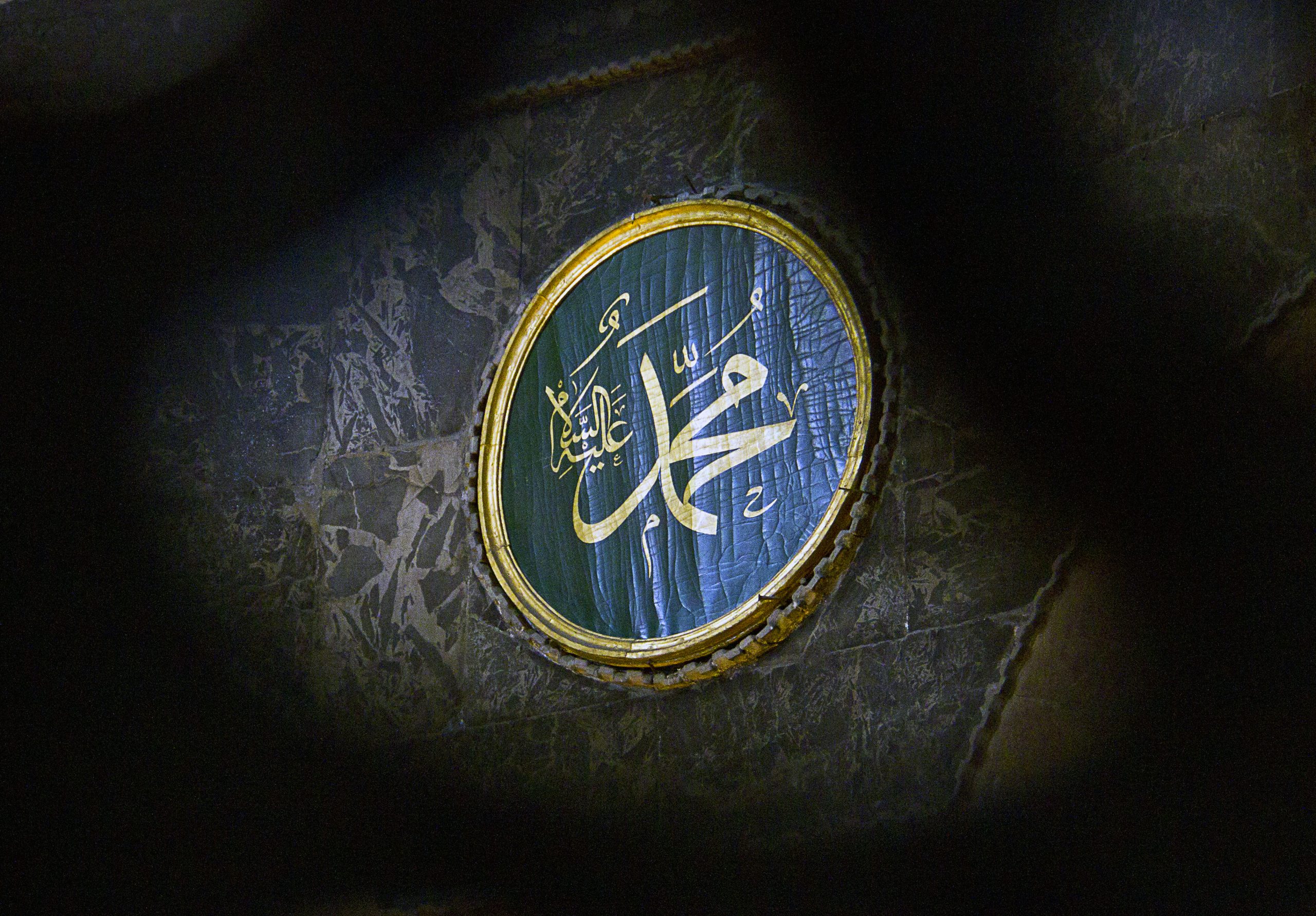
Rabi’ul Awwal is the month in which our beloved Messenger, our role model in life, and our intercessor on the Day of Judgement, Prophet Muhammad ﷺ, was born. His arrival marked the beginning of a profound transformation that continues to benefit humanity until the end of time. This article explores his timeless teachings.
The Age of Ignorance
Before Islam was introduced, many Makkan Arabs were Pagans. They worshipped false idols such as Manat, Al-Lat and Al-‘Uzza, supplicating to them, dedicating certain portions of food to them, and prostrating to them. Other religions, including Judaism, Christianity, Magianism and Sabianism, were also present during those times. Often, elements of polytheism and superstition were found among some of their followers.
Alongside this religious diversity, tribal loyalty shaped much of Arab life. The Arabs lived by the motto, “Support your brother whether he is the oppressor or oppressed.” Deep-seated loyalty to one’s tribe, coupled with competition for power and honour, often led to prolonged and bloody conflicts, such as those between Aus and Khazraj, Bakr and Taghlib, and ‘Abs and Dhubyan.
This same disregard for justice extended into the domestic sphere, particularly in matters concerning women.Men were not restricted in the number of wives they could have. They could marry two sisters at the same time or marry their fathers’ former wives after divorce or widowhood. Women were often subjected to exploitation and abuse, even in war times.
Amidst these conditions, Prophet Muhammad ﷺ was guided towards a different path. He often retreated to the cave of Hira, seeking solitude and worshipping Allah SWT alone, until the first revelation of the Qur’an descended upon him. Despite his initial fear, Prophet Muhammad ﷺ accepted his role as the Messenger of Allah and began his mission to transform the hearts and character of the people around him.
Spiritual Transformation
Prophet Muhammad ﷺ began teaching the religion to his closest family and companions in secrecy. Some of the earliest people to accept Islam include Khadijah bint Khuwaylid RA, Zaid bin Harithah RA, ‘Ali bin Abi Talib RA, and Abu Bakr As-Siddique RA.
As the number of Muslims grew, Allah SWT commanded:
فَٱصْدَعْ بِمَا تُؤْمَرُ وَأَعْرِضْ عَنِ ٱلْمُشْرِكِينَ ٩٤
“Then declare what you are commanded and turn away from the polytheists.” (Surah Al-Hijr 15:94)
Thus, Prophet Muhammad ﷺ began preaching openly, exposing the falsehood of idolatry and calling the disbelievers to worship Allah SWT alone.
Ja’far ibn Abi Talib RA summarised this calling when he said to Najashi, the king of Abyssinia:
أَيُّهَا الْمَلِكُ ، كُنَّا قَوْمًا أَهْلَ جَاهِلِيَّةٍ نَعْبُدُ الأَصْنَامَ ، وَنَأْكُلُ الْمَيْتَةَ ، وَنَأْتِي الْفَوَاحِشَ ، وَنَقْطَعُ الأَرْحَامَ ، وَنُسِيءُ الْجِوَارَ ، وَيَأْكُلُ الْقَوِيُّ مِنَّا الضَّعِيفَ ، فَكُنَّا عَلَى ذَلِكَ حَتَّى بَعَثَ اللَّهُ إِلَيْنَا رَسُولا مِنَّا نَعْرِفُ نَسَبَهُ ، وَصِدْقَهُ ، وَأَمَانَتَهُ ، وَعَفَافَهُ ، فَدَعَانَا إِلَى اللَّهِ لِتَوْحِيدِهِ ، وَلِنَعْبُدَهُ وَنَخْلَعَ
“O King, we were a people of ignorance, worshipping idols, eating carrion, committing immoral acts, severing ties of kinship, mistreating our neighbours, and the strong among us oppressing the weak. We remained in this state until God sent to us a Messenger from among us, whose lineage, truthfulness, trustworthiness, and chastity we knew. He called us to God, to His Oneness, to worship Him, and to renounce what we had been doing…” (Sahih Ibn Khuzaymah Book 6, Hadith 2113)
Those who accepted Islam were taught to put the pleasure of Allah SWT above their own desires, turning away from harmful desires and unjust practices. This sets the foundation for the beautification of human character and the eradication of systemic inequities.
Moral and Ethical Upliftment
Prophet Muhammad ﷺ guided his followers toward perfection of character and conduct. He commanded the ummah to speak truthfully, fulfil their trusts, maintain ties of kinship and to be good neighbours. He forbade pride, arrogance, jealousy and backbiting.
‘Abdullah ibn ‘Amr RA narrated:
إِنَّ رَسُولَ اللَّهِ ﷺ لَمْ يَكُنْ فَاحِشًا وَلاَ مُتَفَحِّشًا وَقَالَ “ إِنَّ مِنْ أَحَبِّكُمْ إِلَىَّ أَحْسَنَكُمْ أَخْلاَقًا ”.
‘The Messenger of Allah ﷺ was neither obscene nor vulgar. He (ﷺ) said, “The most beloved to me amongst you is the one who has the best character”’. (Sahih Bukhari, Book 62, Hadith 105)
At the heart of Prophet Muhammad’s ﷺ teachings was the concept of mercy. He ﷺ said:
الرَّاحِمُونَ يَرْحَمُهُمُ الرَّحْمَنُ ارْحَمُوا أَهْلَ الأَرْضِ يَرْحَمْكُمْ مَنْ فِي السَّمَاءِ
“Those who show mercy will be shown mercy by the Most Merciful. Show mercy to the people of the earth, and He who is in heaven will show mercy to you.” (Sunan Abi Dawud, Book 43, Hadith 169)
Social Transformation
Beyond individual character, Prophet Muhammad ﷺ shaped a more just society by preserving women’sdignity, protecting vulnerable groups, and teaching environmental stewardship.
Empowering Women
Prophet Muhammad ﷺ reformed pre-Islamic patriarchal practices. He called for men to honour women’s rights:
وَحَقُّهُنَّ عَلَيْكُمْ أَنْ تُحْسِنُوا إِلَيْهِنَّ فِي كِسْوَتِهِنَّ وَطَعَامِهِنَّ … إِنَّ لَكُمْ مِنْ نِسَائِكُمْ حَقًّا وَلِنِسَائِكُمْ عَلَيْكُمْ حَقًّا
“You have rights over your women and your women have rights over you… And their rights over you are that you should treat them kindly with regard to their clothing and food.” (Sunan Ibn Majah, Book 9, Hadith 7)
Whenever women came to him with domestic or personal issues, Prophet Muhammad ﷺ did not dismiss them but would listen attentively and advise.
Prophet Muhammad ﷺ even allowed women to hold public roles, a phenomenon that was contrary to the social norm at that time. His wife, ‘Aishah RA, was one of the most prominent scholars whom the companions would consult.
Prophet Muhammad ﷺ affirmed that women were not merely to be protected, but respected, heard and recognised for their contributions to society.
Protecting the Orphans and the Poor
Being an orphan himself, Prophet Muhammad ﷺ had a soft spot for children who had lost their parents. He was extremely generous in giving charity and would encourage others to give within their means.
He ﷺ said:
أَنَا وَكَافِلُ الْيَتِيمِ، فِي الْجَنَّةِ هَكَذَا
“I and the person who looks after an orphan and provides for him, will be in Paradise like this,” putting his index and middle fingers together. (Sahih Bukhari, Book 78, Hadith 36)
In another narration, he ﷺ said:
اتَّقُوا النَّارَ وَلَوْ بِشِقِّ تَمْرَةٍ
“Protect yourself from Hellfire even by [giving] half a date-fruit [in charity].” (Sahih Bukhari Book 24, Hadith 21)
His ﷺ teachings transformed charity from an occasional act of generosity into a shared social responsibility.
Encouraging Environmental Stewardship
Prophet Muhammad’s ﷺ mercy even extended to animals and plants. He encouraged the ummah to cultivatetrees, feed the animals, and use the earth’s resources in moderation.
He ﷺ said:
مَا مِنْ مُسْلِمٍ يَغْرِسُ غَرْسًا، أَوْ يَزْرَعُ زَرْعًا، فَيَأْكُلُ مِنْهُ طَيْرٌ أَوْ إِنْسَانٌ أَوْ بَهِيمَةٌ، إِلاَّ كَانَ لَهُ بِهِ صَدَقَةٌ
“There is none amongst the Muslims who plants a tree or sows seeds, and then a bird, or a person or an animal eats from it, but is regarded as a charitable gift for him.” (Sahih Bukhari, Book 41, Hadith 1)
Prophet Muhammad’s ﷺ wisdom and foresight brought attention to aspects of society that were often overlooked. He ﷺ transformed not only who individuals worshipped, but also how they treated one another and the world around them.
Embodying the Legacy
Prophet Muhammad’s ﷺ life reminds us that meaningful change begins with the heart, but its impact should ultimately be felt by those around us. As we remember his birth in this blessed month, may we embody his example and bring the same compassion and excellence in character into our daily lives.
References
Al-Mubarakpuri, S. R. (2000). Ar-Raheeq al-Makhtum (The Sealed Nectar): Biography of the Noble Prophet. Darussalam.
Keen to learn more about the sirah of Rasulullah ﷺ and build your foundation in Islamic knowledge? Sign up for Jamiyah Academy’s madrasah programmes here: