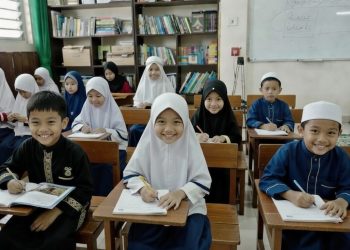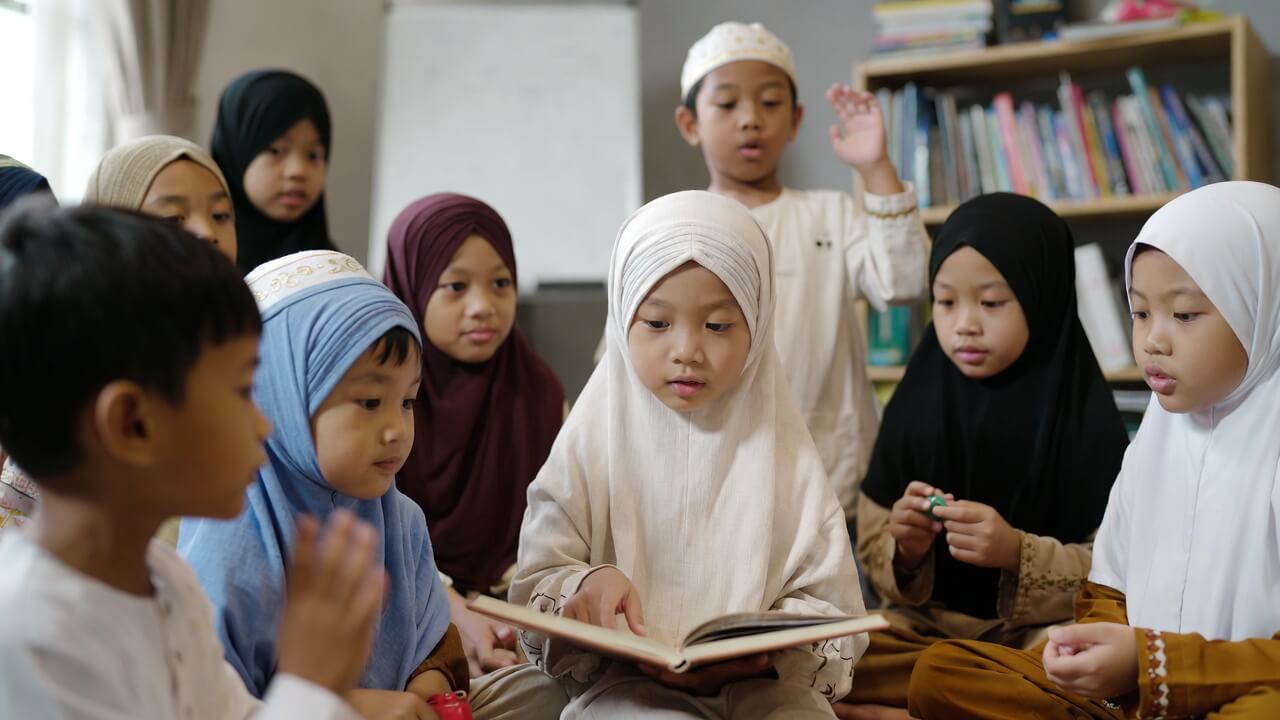
Islamic character education centres on the development of akhlaq, the moral qualities that shape behaviour and relationships. These qualities include honesty, compassion, patience, humility, responsibility, and respect. While academic subjects develop cognitive skills, character formation determines how knowledge is applied in daily life. It influences how a child responds to conflict, success, disappointment, and responsibility.
A child may memorise surahs or learn the pillars of Islam, but without guidance in character, that knowledge can remain theoretical. Islamic character education ensures that faith is expressed through conduct. It teaches children that belief is not only recited, but lived. Speaking truthfully even when it is uncomfortable. Showing kindness to classmates. Exercising patience during frustration. Respecting parents, teachers, and elders. These actions reflect internalised values rather than external instruction.
Effective character education goes beyond explanation. When teaching honesty, educators do not stop at defining the concept. Children are guided through relatable scenarios such as returning a lost item, admitting a mistake, or resisting peer pressure. Through discussion, storytelling, and role-play, they begin to connect Islamic teachings with real-life situations. Moral reasoning develops gradually through guided reflection.
Compassion is cultivated in similar ways. Students are encouraged to assist peers who are struggling, include those who feel excluded, and practise gentle speech during disagreements. These small but consistent habits nurture empathy and emotional intelligence. Over time, repeated practice shapes instinctive behaviour. Akhlaq becomes part of identity rather than a classroom lesson.
In Singapore’s multicultural and fast-paced environment, children are exposed to a wide range of influences from an early age. Structured programmes that integrate Islamic values alongside academic learning provide stability. Within pathways such as Islamic education programmes, character development is woven into daily routines, interactions, and classroom culture rather than treated as a separate subject.
For younger learners, foundations may begin through structured early childhood initiatives, while older students continue strengthening their values through progressive learning stages. Programmes such as the weekend madrasah in Singapore ensure that character formation continues consistently across developmental phases. Even within more formal study tracks like the Islamic certificate course in Singapore , the cultivation of adab remains central, reinforcing that knowledge and character are inseparable.
Islamic character education also supports emotional regulation. Children learn that strength lies in self-control, not dominance. They are guided to manage anger constructively, respond to setbacks with resilience, and express gratitude regularly. These skills prepare them not only for religious practice but for healthy participation in school and community life.
When character is nurtured intentionally, children grow into individuals who act with awareness and accountability. They learn that their choices affect others and that integrity matters even when no one is watching. This awareness strengthens families, classrooms, and the wider community.
Islamic character education therefore does more than teach good manners. It shapes worldview and nurtures moral confidence. By grounding children in enduring values while guiding them through real-world application, it prepares them to navigate modern challenges with steadiness, compassion, and principled conviction.