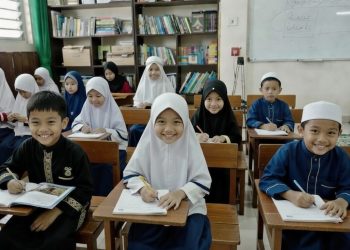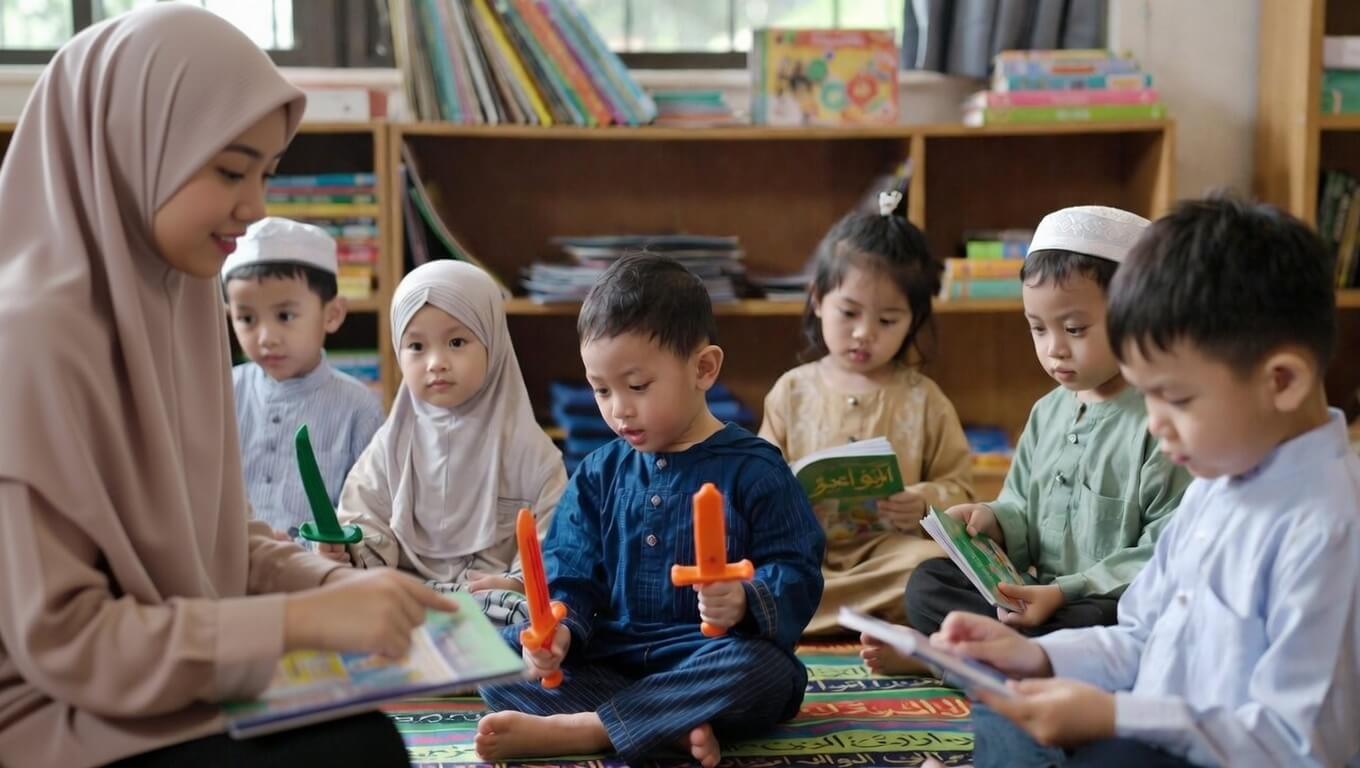
Islamic preschool education combines early childhood development with gentle exposure to faith in a way that is suitable for young children. At this stage, learning is not centred on heavy memorisation or formal religious instruction. Instead, it focuses on building familiarity, comfort, and positive associations with Islamic values alongside foundational literacy and numeracy skills.
Children are introduced to simple duas, short surahs, basic adab, and stories of the Prophets in ways that are engaging and age appropriate. Faith is woven naturally into daily routines rather than treated as a separate subject. Greetings begin with salam. Meals are accompanied by gratitude. Acts of sharing and kindness are reinforced as part of character building. Over time, these small routines shape habits and identity.
In Singapore’s context, this integrated approach carries particular significance. Most children enter formal schooling early and grow up in a multicultural, fast paced environment. Exposure to diverse influences is part of daily life. Islamic preschool programmes provide a steady anchor during these formative years. They create a space where religious values are normalised and nurtured in a supportive setting.
Young children learn primarily through play, repetition, storytelling, music, and guided interaction. Effective Islamic preschool programmes understand this. Lessons are designed to spark curiosity rather than create pressure. Teachers model behaviour consistently, demonstrating patience, kindness, and respect. Concepts such as loving Allah SWT, telling the truth, caring for others, and respecting parents are introduced through relatable scenarios rather than abstract explanations.
When exploring options in Singapore, parents will find several pathways. Some preschools operate as full day childcare centres registered under ECDA, integrating Islamic values within the national early childhood framework. Others function as half day kindergartens with a stronger emphasis on Quran exposure and basic Arabic language familiarity. There are also weekend enrichment programmes attached to mosques or Islamic education institutions that complement mainstream preschool attendance.
Parents should look for balance. A strong Islamic preschool supports developmental milestones, including language growth, early literacy, numeracy awareness, motor skills, and social interaction. At the same time, it introduces faith gently without overwhelming children. The classroom environment should feel warm, structured, and secure. Teachers should be trained in early childhood pedagogy, not only religious content.
Communication between school and home also matters. Regular updates, parent workshops, and opportunities for family involvement strengthen consistency. When parents reinforce simple practices at home, such as reading short duas together or discussing stories learned in class, children experience continuity between school and family life.
The early years are deeply formative. Research in child development consistently shows that attitudes formed in preschool influence long term learning behaviour. When faith is associated with warmth, encouragement, and positive relationships, children are more likely to remain engaged as they grow older.
Islamic preschool education therefore lays both academic and spiritual foundations. It prepares children for primary school readiness while nurturing a sense of belonging within their faith. More importantly, it plants early seeds of love for learning, good character, and connection to Allah SWT that can continue to grow throughout their lives.