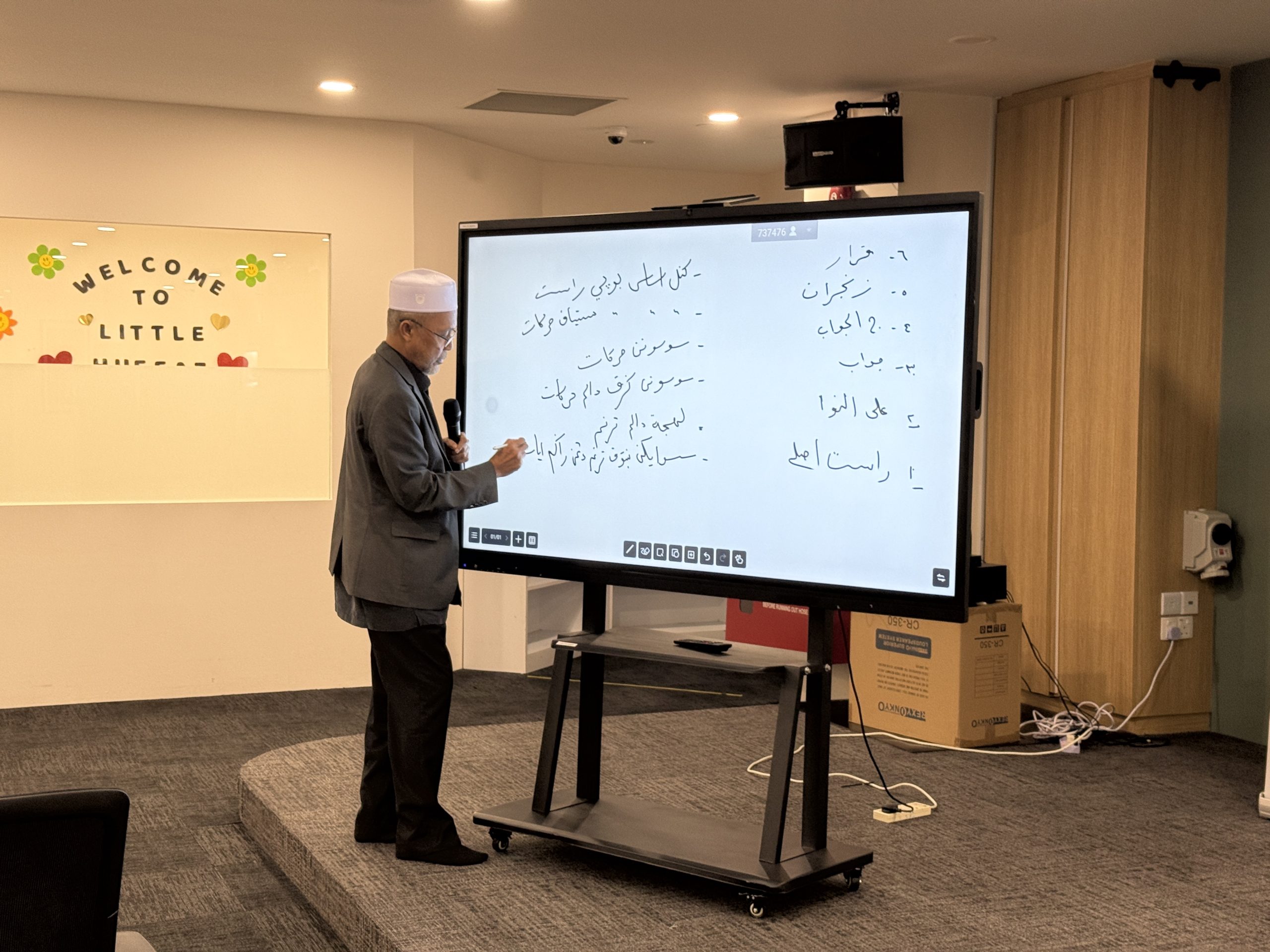
Have you ever listened to a Qur’an recitation that moved you and made you reflect on Allah’s words? Perhaps it was in Ramadan, at the mosque before prayers, or through social media. The reciter’s voice seemed to rise and fall effortlessly, capturing your attention and making every verse feel exceptionally profound.
Many people assume that beautiful Qur’an recitation is simply the result of having a naturally gifted voice. “I could never recite like that,” they might think. However, behind these captivating recitations is a skill that can be learned. It is called tarannum.
Tarannum is the art of reciting the Qur’an using recognised melodic frameworks while observing the rules of recitation (tajweed). It is not about singing the Qur’an or adding personal style for the sake of performance. Rather, it is about reciting the words of Allah SWT with reverence and beauty, allowing both the reciter and listener to connect more deeply with His message.
The Prophet ﷺ encouraged the believers to beautify their recitation, saying:
زَيِّنُوا الْقُرْآنَ بِأَصْوَاتِكُمْ
“Beautify the Qur’an with your voices.” (Sunan Abi Dawud, Book 8, Hadith 53)
Likewise, Allah SWT mentions in the Qur’an:
وَرَتِّلِ ٱلْقُرْءَانَ تَرْتِيلًا ٤
“…and recite the Qur’an properly in a measured way.” (Surah Al-Muzammil 73:4)
For many beginners, the word tarannum can sound intimidating. The names of the different recitation styles are unfamiliar, and the melodies may seem difficult to grasp. However, learning tarannum is much like learning tajweed. No one expects to master it in a single lesson. It is a journey of learning, practising and improving over time.
It’s Not About Having the “Perfect” Voice
One of the biggest myths about tarannum is that you need an amazing voice. Tarannum is less about being born with a beautiful voice and more about learning a structured technique. Just as anyone can improve their Qur’anic pronunciation by studying tajweed, anyone can improve the beauty of their recitation through proper guidance and consistent practice.
Instead of asking yourself, “Do I have a good enough voice?”, try asking, “Am I willing to learn?”
That small shift in mindset makes all the difference.
Understanding the Maqamat
At the heart of tarannum are the maqamat (singular: maqam), recognised melodic frameworks that guide the flow of Qur’anic recitation. Each framework has its own rhythm, mood and character, yet all are used to honour the beauty of the Qur’an while remaining faithful to the rules of tajweed.
Some of the most taught maqamat include:
- Bayati: warm, gentle and comforting.
- Hijaz: powerful, majestic and reflective.
- Nahawand: calm, expressive and contemplative.
- Rast: balanced, confident and dignified.
- Sikah: intimate, heartfelt and sincere.
- Saba: deeply emotional and often associated with verses of repentance, hardship and supplication.
- Ajam: joyful, praising and celebratory.
Each maqam offers a different way of expressing the beauty of the Qur’an. However, it is important to remember that the melody should always serve the meaning of the verses, not distract from them.
Think of the maqamat as different colours on an artist’s palette. Each one brings out a different shade of expression, yet the focus always remains on the masterpiece itself – the words of Allah SWT.
Every Journey Begins with Bayati
Bayati is widely regarded as the foundation of tarannum because of its gentle, natural flow. It is relatively easy to learn, making it ideal for beginners who are still developing vocal control and confidence. It is also one of the most frequently used maqamat among renowned Qur’an reciters, often serving as the melody to begin and conclude a recitation.
Starting with Maqam Bayati allows students to become familiar with the basic movements of tarannum before progressing to more advanced maqamat. Just as children learn the alphabet before writing essays, mastering the fundamentals provides a strong foundation for future learning.
Rather than trying to learn every melody at once, focus on becoming comfortable with one maqam at a time. Consistency is far more valuable than rushing through the learning process.
Learning One Step at a Time
Like any worthwhile skill, tarannum is developed gradually.
Begin by strengthening your tajweed, as correct pronunciation is always the priority. Then, practise short passages regularly, listen to qualified reciters and seek guidance from an experienced teacher who can correct your technique.
The Prophet ﷺ gave encouragement to every student of the Qur’an when he said:
مَثَلُ الَّذِي يَقْرَأُ الْقُرْآنَ وَهْوَ حَافِظٌ لَهُ مَعَ السَّفَرَةِ الْكِرَامِ الْبَرَرَةِ، وَمَثَلُ الَّذِي يَقْرَأُ الْقُرْآنَ وَهْوَ يَتَعَاهَدُهُ وَهْوَ عَلَيْهِ شَدِيدٌ، فَلَهُ أَجْرَانِ
“Such a person as recites the Qur’an and masters it by heart, will be with the noble righteous scribes (in Paradise). And such a person exerts himself to learn the Qur’an by heart, and recites it with great difficulty, will have a double reward.” (Sahih al-Bukhari, Book 65, Hadith 458)
This hadith is a comforting reminder that Allah SWT rewards not only mastery, but also perseverance. Every practice session, every corrected mistake and every sincere effort to improve carries immense reward.
More Than a Melody
While tarannum enhances the beauty of Qur’anic recitation, its ultimate purpose goes far beyond melody.
As students become more familiar with the maqamat, they often reflect more deeply on the meanings of the verses and become more mindful of the words they are reciting.
Allah SWT says:
وَقُرْءَانًۭا فَرَقْنَـٰهُ لِتَقْرَأَهُۥ عَلَى ٱلنَّاسِ عَلَىٰ مُكْثٍۢ وَنَزَّلْنَـٰهُ تَنزِيلًۭا ١٠٦
“And [it is] a Qur’an which We have separated [by intervals] that you might recite it to the people over a prolonged period. And We have sent it down progressively.” (Surah Al-Isra 17:106)
The Qur’an was revealed gradually, allowing its verses to be recited with care, reflection and understanding. Tarannum complements this divine approach by encouraging reciters to slow down, observe the rules of tajweed and recite with a measured, melodious rhythm.
Ultimately, the most beautiful recitation is not the one with the highest notes or the most intricate melody. It is the one that is recited with sincerity, humility and a heart that longs to draw closer to Allah.
Begin with Sincerity
Every accomplished reciter was once a beginner who learned one lesson, one melody and one verse at a time.
If you have ever admired a beautiful Qur’an recitation and thought, “I wish I could recite like that,” know that the journey begins not with a perfect voice, but with a sincere intention to learn.
Start with the basics. Strengthen your tajweed. Learn Bayati. Practise consistently, even if it is only for a few minutes each day. With patience and perseverance, your confidence will grow.
After all, tarannum is not simply about making the Qur’an sound beautiful. It is about allowing the beauty of the Qur’an to transform the heart of the one who recites it.
References
QariAI. (2026, April 14). The 7 Maqamat of Qur’an Recitation — A Beginner’s Guide to Beautifying Your Voice. QariAI. https://qariai.app/maqamat-Qur’an-guide
Master the art of Qur’an recitation with Jamiyah Academy! Select your preferred course for more details: